The Bone Cancer Research Trust was privileged to represent the primary bone cancer community at this year’s Connective Tissue Oncology Society (CTOS) Annual Meeting in Boca Raton, Florida.
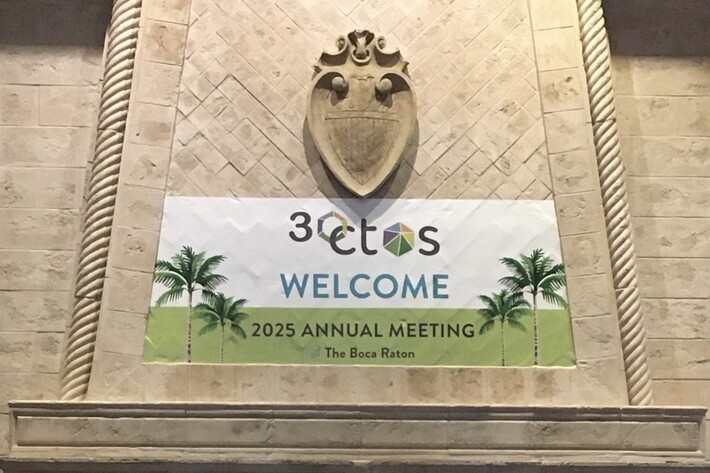
This milestone event celebrated the society’s 30th anniversary and brought together over 1,260 participants - including 29 patient advocates - from 55 countries, highlighting how collaboration and shared knowledge drive progress for bone sarcoma patients.
With chondrosarcoma named “tumour of the year”, we settled into an intense and inspiring few days, learning about the latest breakthroughs and connecting with leading sarcoma researchers, clinicians, surgeons and patient advocates from around the world.
On the 11th of November, we were invited to participate on the Chondrosarcoma Foundation think tank, an interactive one-day meeting focused on advancing early detection, diagnosis, surgical intervention, clinical trials and treatment innovations, aimed at collaboratively develop a comprehensive strategy to prevent disease progression, recurrence and metastasis.
With the CTOS conference starting in earnest on the 12th of November, we presented a poster summarising our on-going efforts so far in mapping the long-term follow-up and late effects monitoring services for UK bone sarcoma patients, which was very well received.

We were also delighted to meet our SPAGN colleagues at their Patient Advocacy Lounge, a dedicated space where patient representatives could network and engage in supportive conversations, building stronger ties across the international advocacy community. We are incredibly grateful to them for their continued support for the Bone Cancer Research Trust.
A major takeaway of the conference was the highly anticipated results from the ChonDRAgon clinical trial (NCT04950075).
Professor Robin Jones from the Royal Marsden Hospital, London reported the results of the international Inhibrx Phase II ChonDRAgon trial.
With no approved treatments available, this study represents the first positive result yet in a randomised trial for conventional chondrosarcoma patients.
Ozekibart (INBRX-109) is designed to recognise and bind to the death receptor 5 (DR5), a protein present on the cell surface that when activated triggers cancer cell death. Patients treated with Ozekibart experienced a 52% reduction in the risk of their disease progressing, more than doubling progression free survival (5.52 months for Ozekibart compared to 2.66 months for placebo). Ozekibart was well tolerated, without severe toxicity and importantly, its benefit was seen across patients, regardless of their IDH (isocitrate dehydrogenase) genetic characteristics, a mutation in this gene is seen in many, but not all chondrosarcoma cases and is considered an early event in tumour development, that drives malignant transformation and tumour progression.
Although there is still much to do and learn before Ozekibart can become part of the standard of care for chondrosarcoma patients, the research community was genuinely excited about these findings. It is a very promising first step, and we’ll be following its progress closely in the months ahead.