New research funded by four charities will harness the power of the immune system to find more effective treatments for metastatic Ewing sarcoma patients.
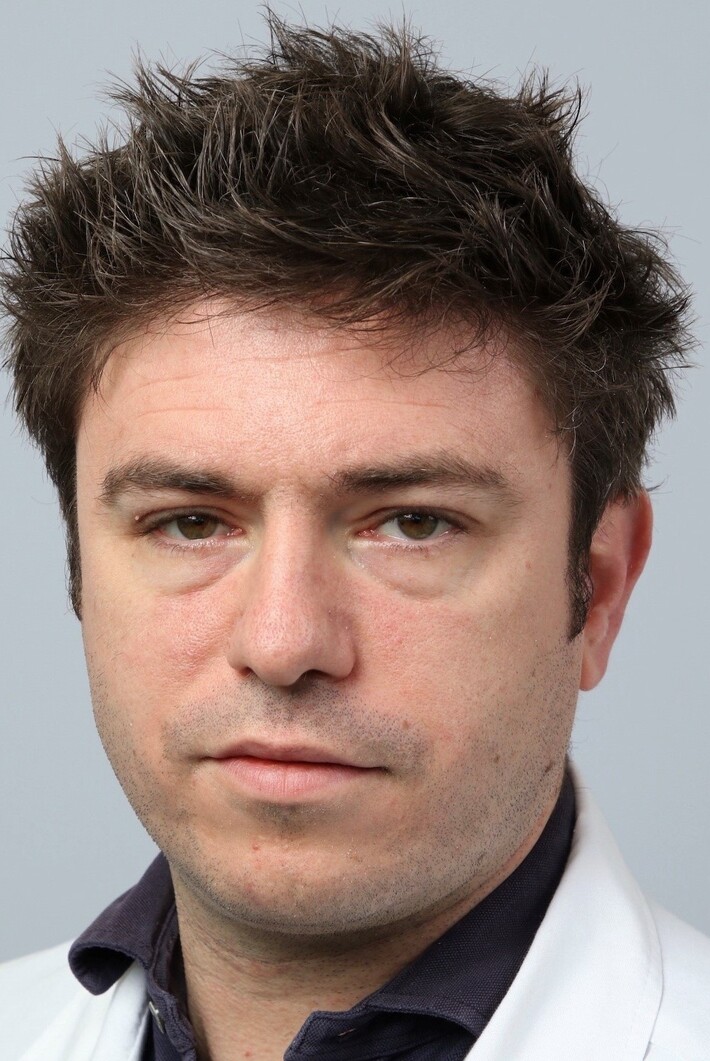
The team, led by Dr Jonathan Fisher at the UCL Great Ormond Street Institute of Child Health, will explore a special type of immune cell (known as gamma-delta T cells) which help the body fight infections.
When primary bone cancers such as Ewing sarcoma and osteosarcoma spread to the lungs, they become much harder to treat — and current treatments such as chemotherapy and radiotherapy can cause harsh side effects.
However, with this study, scientists are exploring a promising new approach that could lead to better outcomes and quality of life.
In traditional immunotherapy, a patient's own immune cells are removed, modified to recognise cancer, and placed back in a patient's body. However, this process is time consuming, and the patient's cancer may progress whilst awaiting treatment.
Dr Fisher and his team are working on a faster, more accessible version that uses gamma-delta T cells from healthy donors. In a unique advantage, these cells do not cause harmful immune reactions, making them safer for use.
To-date, the group have shown that engineered gamma-delta T cells can kill cancer cells in laboratory models. Now, they hope to take the next step by directing them to the lungs — where Ewing sarcoma often spreads (metastasises).
Dr Jonathan Fisher, Clinical Associate Professor and Honorary Consultant, shared:
It's really important to develop new treatments that are not only less toxic, but that also help patients when their cancer has already spread as this is something that can severely affect outcomes. I would like to thank everyone at the charities and all of the incredible fundraisers who make this work possible.
Dr Viqui Vinader, Head of Research at the Bone Cancer Research Trust, added:
We are proud to provide funding to Dr Fisher and his team to conduct this critical study, which could bring us closer to new treatments for patients whose disease has spread. If successful, this project could pave the way for a new type of targeted immunotherapy to help treat patients more effectively.
This project was funded as part of an £800,000 investment into Ewing sarcoma research by the Bone Cancer Research Trust, CCLG: The Children & Young People’s Cancer Association, the Ewing’s Sarcoma Research Trust and Great Ormond Street Hospital Charity.
Learn more about this pioneering study below: