Scientists in Barcelona are taking an innovative approach to exploring the interactions that cause Ewing sarcoma.
This form of primary bone cancer is usually driven by a specific genetic fault: a fusion between the EWSR1 and FLI1 genes, which produces a harmful protein that attaches to DNA and rewires normal cells into cancerous ones.
Despite knowing how important this protein is in causing Ewing sarcoma, scientists have found it difficult to block or treat directly.
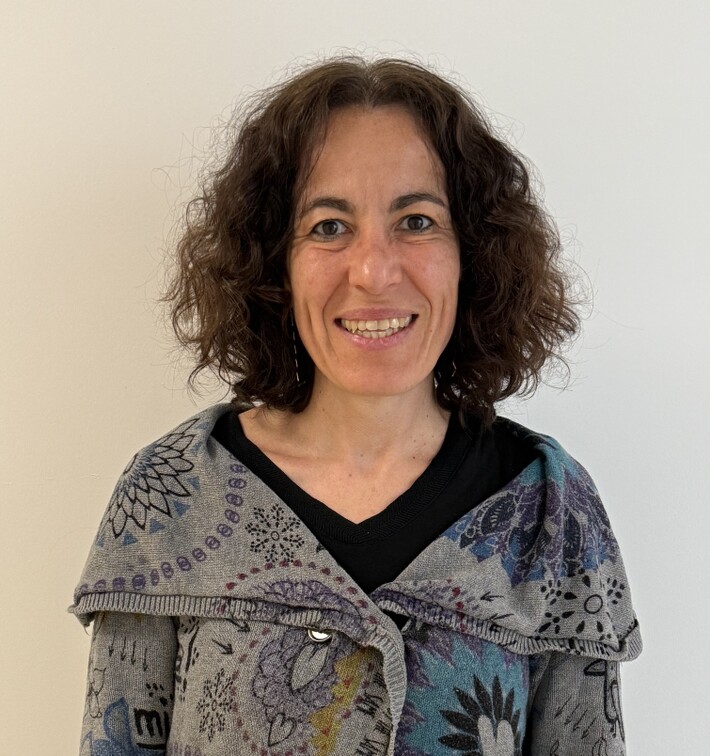
With this study, a team led by Dr Sara Sánchez Molina at the Institut de Recerca Sant Joan de Déu (IRSJD) are taking a new approach. Instead of targeting the fusion protein head-on, they are investigating the epigenetic environment — the supporting proteins and interactions that help EWSR1-FLI1 bring about cancerous change.
By using advanced technology to understand how these proteins cluster together and reprogramme healthy cells into cancer, the team hopes to disrupt the process whilst bypassing the tricky-to-target fusion protein.
Dr Sánchez Molina, Investigator at IRSJD, said:
This approach allows us to indirectly target the cancer-causing machinery. We are looking at how to 'untangle' the networks that the fusion protein relies on, with the hope of finding a more effective and less toxic way to treat osteosarcoma.
Dr Viqui Vinader, Head of Research at the Bone Cancer Research Trust, said:
We are proud to provide Dr Sánchez Molina and her team with an Ideas Grant to take this pilot study off the ground. By targeting the systems that support Ewing sarcoma, rather than the fusion protein directly, this approach could lead to treatments that are not only more effective, but kinder and less toxic for patients.
This project is funded as part of an £800,000 investment in Ewing sarcoma research by the Bone Cancer Research Trust, CCLG: The Children & Young People's Cancer Association, the Ewing's Sarcoma Research Trust and Great Ormond Street Hospital Charity.
To learn more visit the link below: