A new study funded by the Bone Cancer Research Trust will search for potential ‘weak spots’ of chondrosarcoma to help develop better treatments.
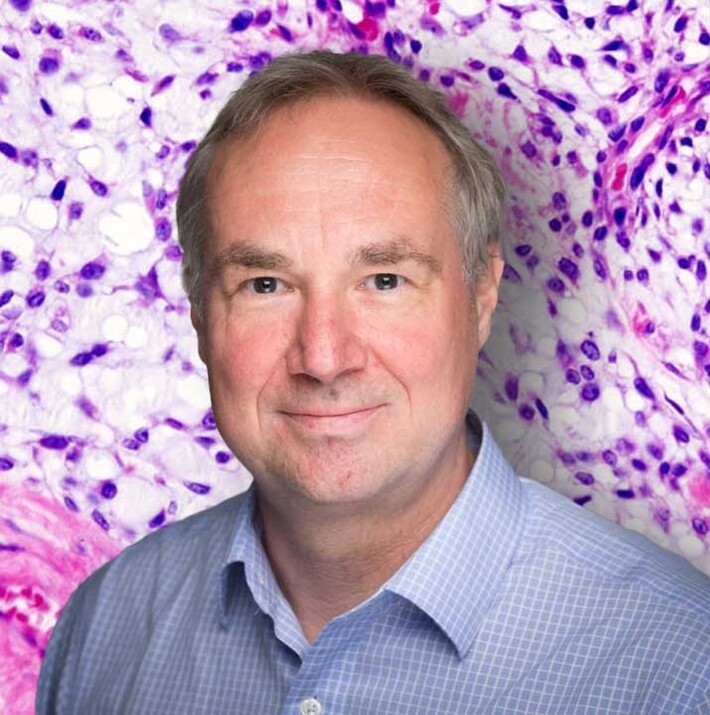
The four-year project, led by Professor Udo Oppermann at the University of Oxford, will be broken down into three packages and guided by patient input to ensure the research aligns with their needs.
Firstly, the team will collect clinical data and patient samples to build a comprehensive specimen and clinical database. From there, they will monitor individual cells to uncover the mechanisms that may drive tumour progression from less aggressive to advanced disease.
Alongside this, the team will also test both existing and experimental drugs in the lab to search for new therapies that could be taken forward in future clinical trials.
Patient representatives from the Bone Cancer Research Trust will be involved in regular meetings with the researchers to ensure the work addresses key concerns and challenges for maximum patient benefit.
Professor Oppermann, Director of Molecular Laboratory Sciences at the Botnar Research Centre, said:
There is an urgent need to understand the mechanisms that drive chondrosarcoma tumours. If better understood, it might provide clues for an "Achilles heel" and give us insights to develop new therapeutic strategies to help patients, especially those with aggressive forms of the disease. Partnering with patients is essential to ensuring our research has the greatest impact for people living with chondrosarcoma.
Dr Viqui Vinader, Head of Research at the Bone Cancer Research Trust, added:
This study represents an important step forward in chondrosarcoma research. For too long, patients have faced limited treatment options and poor outcomes. By helping uncover significant weaknesses in chondrosarcoma, Professor Oppermann's project offers new hope of better understanding the disease and developing targeted, effective treatments that could save lives. We are incredibly proud to fund this work which ensures patients remain at the heart of every discovery.
Learn more about this pioneering study below: