A new study by the Oxford University Hospitals (OUH) Spinal Sarcoma Service, with funding from the Bone Cancer Research Trust, has highlighted the serious emotional and practical challenges faced by people diagnosed with this disease.
The study, published in the open access journal Psycho-Oncology, suggests that people with this rare and complex cancer would benefit from earlier diagnosis, better information, more joined-up aftercare and easier access to psychological support.
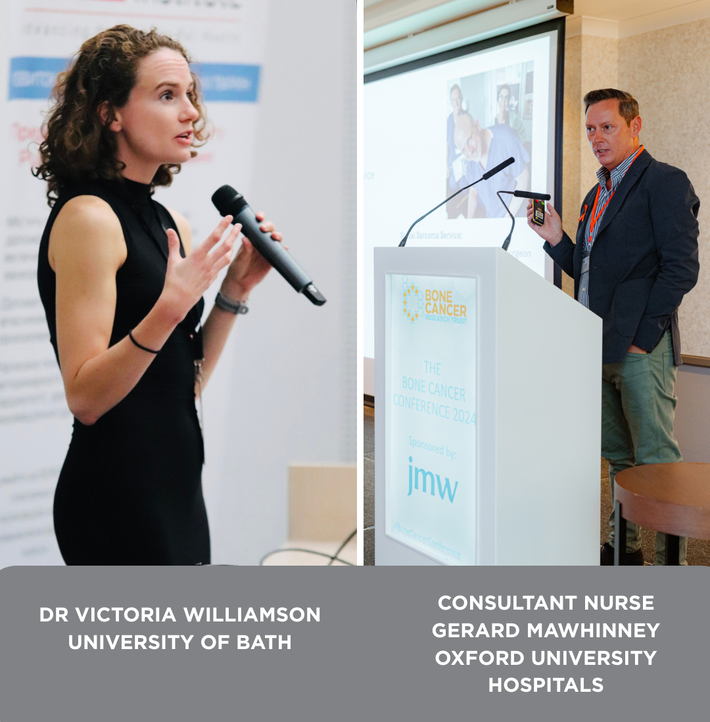
The research, carried out in collaboration with the University of Bath, was supported by a £20,000 grant from the Bone Cancer Research Trust and awarded to Dr Victoria Williamson.
Spinal sarcomas, which are cancers that affect the bones or soft tissues of the spine, are exceptionally rare and can require highly complex surgery, prolonged stays in hospital and significant rehabilitation.
Although our knowledge about the effectiveness of cancer treatments and the physical outcomes for patients is increasing, the longer-term emotional and psychological consequences for patients is less well understood.
The study involved in-depth interviews with 16 adults who had been diagnosed or treated for spinal sarcoma at OUH.
Dr Victoria Williamson, project lead shared:
We're incredibly grateful to the Bone Cancer Research Trust for funding this project, which has enabled us to explore a previously under-researched aspect of spinal sarcoma: its psychological impact. Our findings show that patients can face significant emotional challenges, from barriers to diagnosis through to the long-term consequences of treatment. These findings highlight the need to look beyond physical health outcomes alone and ensure that people living with spinal sarcoma receive support that holistically promotes their quality of life and psychological wellbeing. We hope this work provides a foundation for developing tailored support that address the needs of this patient group and improves survivorship outcomes.
One of the authors, and researcher on the project, Consultant Nurse Gerard Mawhinney said:
The patients who took part in this study gave us an important perspective on what it’s like to have this condition. They told us about the difficulties they encountered obtaining a diagnosis, their experiences of undergoing lengthy treatment and recovery and having to adapt to changes in their mobility and employment, as well as their relationships and personal identity. Medically, we have one of the leading centres for spinal sarcoma in the world, with very low cancer recurrence rates for our patients. We want to take that a step further and improve the whole experience of our patients by better understanding the emotional impact of the disease and their support needs.
Among the most important findings of the study were:
- Patients described significant emotional challenges, including anxiety, anger, isolation and difficulty adjusting to a ‘new normal’, often alongside chronic pain or reduced mobility
- Families and partners were central to recovery, but they also experienced considerable uncertainty and distress
- Patients valued clear and honest discussions ahead of operations, particularly when they could revisit or share recorded consultations with family members
- Some patients experienced fragmented rehabilitation and difficulty accessing psychological support, pain services and clinicians familiar with this rare cancer
- Participants identified the potential value of a dedicated care coordinator, better communication between specialist and local services and more structured long-term support for survivors
Gerard Mawhinney added:
Importantly, this paper does not simply describe the problems our patients have faced. It provides a blueprint for improving the care we provide, informed by the patients themselves. This will mean combining our highly specialised surgical and cancer treatment expertise with more coordinated support for people’s psychological wellbeing, rehabilitation and life after treatment.
Reflecting on the findings, Dr Zoe Davison, Director of Research at the Bone Cancer Research Trust, said:
This research shows how listening to patients has the potential to shape practical improvements for people undergoing treatment for rare and complex cancers such as spinal sarcoma, including bone sarcoma. The Oxford Spinal Sarcoma Service is already well regarded for the quality of its care and survival rates.
We are delighted to have supported them in carrying out this study to understanding the outcomes that matter to patients beyond surgery and survival alone. We will continue to work with specialist spinal sarcoma centres to advocate for more holistic and compassionate models of care to be developed.
The Oxford Spinal Sarcoma Service is one of just four designated primary spinal tumour centres in England, serving a population of more than 10 million people.
What the patients told us
Many of those interviewed in the study said their symptoms began with severe and persistent pain in their back, neck, arms or legs. Some said they repeatedly sought help from healthcare professionals but were told their pain was likely to be caused by more common problems, such as arthritis, poor posture or ageing. Several described having requests for scans turned down, and having to pay privately for imaging before their cancer was found.
For patients, these delays had a lasting effect, with some feeling angry or let down. They believed that an earlier diagnosis might have led to more treatment options or a better prognosis. The experience also undermined their trust in healthcare services and increased fears about the cancer coming back.
After diagnosis, many patients faced intensive treatment. Some had extensive surgery involving the removal of parts of the spine, nerve damage or changes to bladder and bowel function. Recovery could mean weeks or months in hospital, learning to walk again, dealing with pain and relying heavily on family or friends for support after discharge.
The study also found that diagnosis and treatment affected patients’ families. Some patients found it helpful to record consultations, so they could watch the information again and share it with relatives.
Some patients withdrew from social life, and ongoing pain and reduced mobility meant they had to give up work or stop activities they previously enjoyed, leading to a loss of independence, identity and confidence.
Seven of the 16 patients interviewed met the criteria for likely anxiety or depression, 10 met the criteria for likely alcohol misuse and two were suspected of having complex post-traumatic stress disorder.
Participants reported gaps in care after treatment, with some struggling to access pain clinics, physiotherapy, psychological support or services for continence problems. Others said different parts of the healthcare system did not always communicate well with each other, leaving them to coordinate complex care themselves.
They suggested having clearer information for GPs and local healthcare teams about spinal sarcoma and recovery needs, as well as a dedicated care coordinator to help them navigate appointments, referrals and follow-up care, and a list of professionals, such as physiotherapists and psychologists, who understood the condition.
While developing our Research Strategy, our patients described the importance of ensuring patients can thrive after a primary bone cancer diagnosis. This project confirms our commitment to this area of research and places patient experience at it's centre. It has generated important evidence to improve outcomes that matter to patients beyond survival alone, including psychological wellbeing, rehabilitation and quality of life. The findings from this study have clear potential for clinical implementation through the development of more holistic survivorship care models for patients affected by spinal sarcoma.